
When you think of military drones, do you picture a sleek, high-tech machine buzzing silently above a battlefield? The world of military drones is richer and more complex than you might imagine. From reconnaissance eyes in the sky to armored combat beasts, these flying wonders are changing the face of warfare. In this text, we’ll jump into the various types of military drones, their functionalities, and the innovative technologies that are reshaping them. So buckle up as we explore the fascinating realm of military drones and perhaps, just maybe, blow your mind with some stats.
Overview Of Military Drones
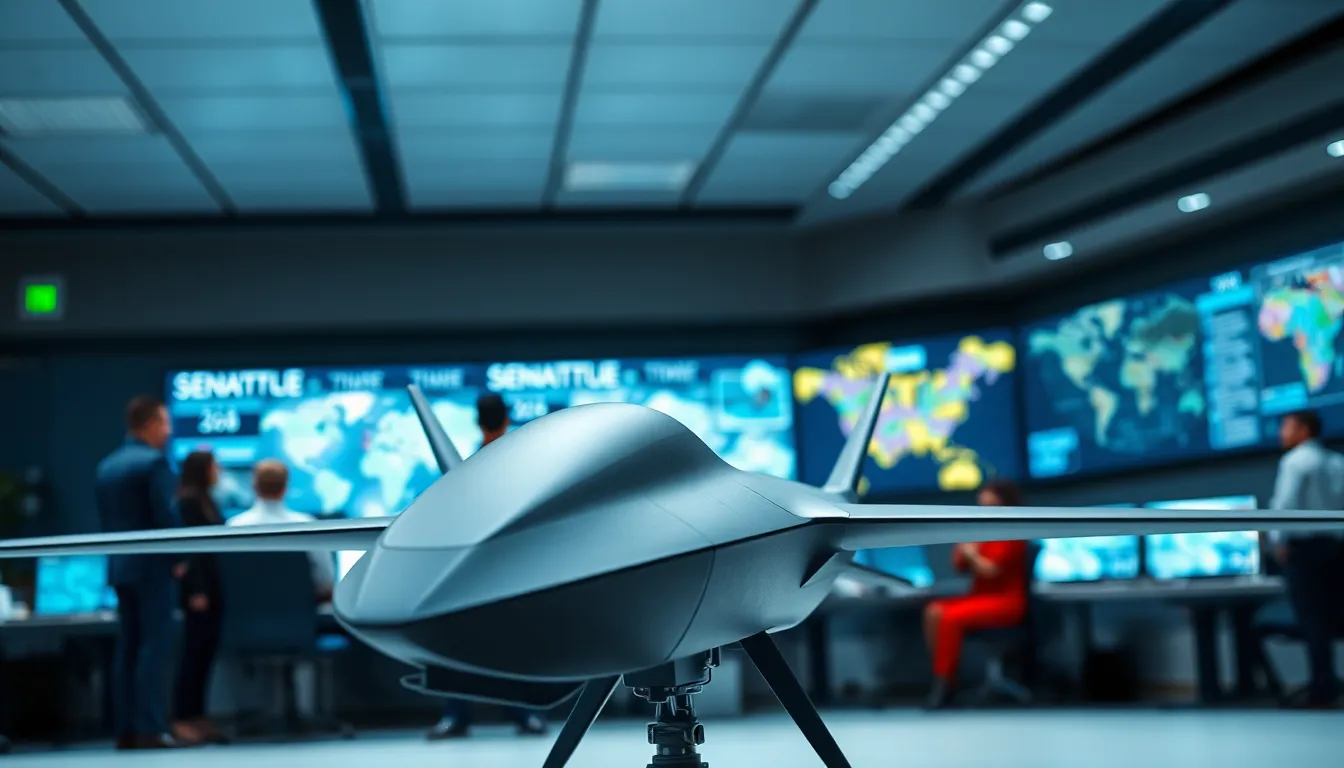
Military drones, or unmanned aerial vehicles (UAVs), have rapidly transformed how nations approach modern warfare. These technologically advanced machines offer numerous advantages, including enhanced surveillance capabilities, reduced risk to personnel, and the ability to conduct missions in hostile environments without direct human intervention. Their use isn’t confined to the battlefield: military drones also help in disaster response, surveillance, and monitoring of sensitive locations. This versatility makes them invaluable to defense strategies and operations.
Classification Based On Functionality
Military drones can be categorized based on their specific purposes, each having unique design and operational features.
Reconnaissance Drones
Reconnaissance drones primarily gather intelligence through surveillance and data collection. Equipped with high-resolution cameras and advanced sensors, these UAVs help scout enemy positions, monitor troop movements, and assess battlefield damage. One prominent example is the RQ-11 Raven, which provides real-time information to ground troops, ensuring they stay informed.
Combat Drones
Combat drones take on a more lethal role, equipped for air-to-ground strikes. These machines deliver payloads that can target enemy positions, vehicles, or installations with precision. The MQ-9 Reaper is a prominent combat drone, known for its long endurance and ability to carry a range of missiles and bombs, making it a potent force in military operations.
Logistics Drones
Logistics drones are vital for enhancing supply lines, especially in remote or hostile territories. They can transport medical supplies, food, and ammunition directly to troops in the field. The use of drones for logistical support not only speeds up the delivery process but also reduces the risk to human life by minimizing exposure to potential threats.
Classification Based On Design
Drones can also be classified by their physical design, which affects their flying capabilities and operational efficiency.
Fixed-Wing Drones
Fixed-wing drones resemble traditional aircraft and are known for their ability to cover vast distances efficiently. They are typically used for long-range surveillance and data collection missions. The Global Hawk, an example of a fixed-wing drone, boasts an impressive operational range, making it ideal for extensive reconnaissance tasks.
Rotary-Wing Drones
Rotary-wing drones, commonly known as helicopters, can take off and land vertically, providing them with a unique advantage in urban or confined areas. These drones are versatile, capable of surveillance, transport, and combat roles. The AH-64 Apache Longbow can function as both a combat drone and an aerial support vehicle, demonstrating the adaptability of rotary-wing technology.
Hybrid Drones
Hybrid drones combine features of both fixed-wing and rotary-wing designs. They offer flexibility in operations, capable of vertical takeoff and landing while maintaining the extended range benefits of fixed-wing drones. The K-MAX is an example of a hybrid drone used for logistical support in combat zones, showcasing the future of drone technology.
Emerging Technologies In Military Drones
As technology evolves, so do military drones, integrating cutting-edge advancements to enhance performance.
AI And Automation
Artificial intelligence is becoming increasingly common in military drones. AI algorithms help drones analyze vast amounts of data quickly, offering insights that human operators might miss. Automated flight systems enable drones to make real-time decisions, allowing them to react to changes in the environment autonomously, which saves time and increases mission success rates.
Swarm Technology
Swarm technology involves deploying multiple drones to work together in unison. This concept mimics natural phenomena seen in nature, such as flocks of birds or schools of fish. By coordinating their actions, swarm drones can overwhelm enemy defenses, conduct extensive searches, or establish wide-area surveillance more efficiently than a single aircraft could. This technology holds promise for future military operations, expanding the capabilities of drones beyond individual actions.
Future Trends in Military Drone Development
As military drone technology advances, several trends emerge that may reshape the landscape of aerial warfare.
Regulatory Challenges and Ethical Considerations
One of the foremost challenges is navigating the regulatory landscape surrounding drone usage. As military forces increasingly rely on drones for operations, ensuring compliance with international laws and ethical standards becomes more critical. Questions about accountability and the implications of autonomous drones in combat scenarios stir significant debate. These discussions will likely influence how countries develop and carry out drone capabilities moving forward.