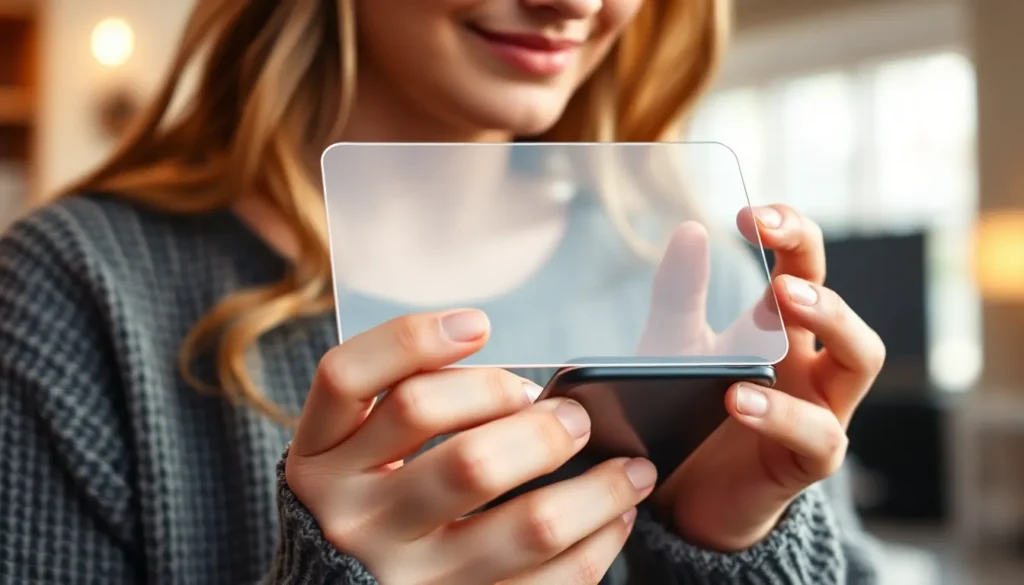
In a world where smartphones are practically an extension of ourselves, protecting that shiny screen is no joke. Picture this: one moment of distraction and bam—your phone’s screen looks like a spider web. Enter screen protectors, the unsung heroes in the battle against everyday mishaps. These transparent warriors not only shield against scratches and cracks but also keep your device looking fresh and fabulous.
Think of screen protectors as the bubble wrap for your tech-savvy lifestyle. They’re lightweight, easy to apply, and can save you from costly repairs. Whether you’re a clumsy texter or a coffee spill enthusiast, investing in a quality screen protector is a no-brainer. So, why risk it? Let’s dive into the world of screen protectors and discover how they can keep your device safe and sound while adding a dash of style.
Overview of Screen Protectors
Screen protectors serve as essential barriers against damage that smartphones encounter during daily use. These protective layers offer an added defense against scratches, cracks, and other wear.
What Are Screen Protectors?
Screen protectors are thin films or sheets that adhere to a device’s screen. They provide a layer of defense against impacts and scratches that could harm the display. Made from materials like plastic or tempered glass, screen protectors shield a phone’s surfaces. Their transparent nature maintains visibility, ensuring no loss in screen clarity. Users apply these protectors easily, often without professional assistance.
Types of Screen Protectors
Different types of screen protectors cater to diverse needs. Plastic film protectors offer a lightweight solution, ideal for general scratch resistance. Tempered glass protectors provide superior durability and impact resistance, making them popular among users seeking extra protection. Additionally, privacy screen protectors limit visibility from side angles, enhancing user privacy. Some screen protectors, like anti-glare varieties, reduce reflections for improved outdoor visibility. Styles and functionalities vary, ensuring users find options that suit their preferences and requirements.
Benefits of Using Screen Protectors
Screen protectors offer significant advantages, primarily in safeguarding devices from everyday damage. Their benefits range from preventing scratches to ensuring impact resistance.
Protection Against Scratches
Screen protectors effectively shield devices against scratches caused by normal use. They act as a barrier, preventing sharp objects, like keys and coins, from making contact with the screen. Made from materials such as plastic film or tempered glass, they absorb minor abrasions and preserve the device’s appearance. Utilizing screen protectors minimizes the risk of unsightly marks and maintains high clarity. As a result, users can enjoy their devices without the worry of visible damage.
Impact Resistance
Impact resistance is another important benefit of using screen protectors. High-quality tempered glass protectors absorb shock from drops and bumps. Studies show that devices with screen protectors sustain less damage during falls, leading to lower repair costs. When a device experiences an impact, these protectors disperse the force across their surface. Enhanced durability means users can replace the screen protector at a fraction of the cost of a screen repair. Opting for a screen protector helps keep devices functional and looking new for longer.
Choosing the Right Screen Protector
Selecting a suitable screen protector involves understanding various options available in the market. Each choice has distinct characteristics that cater to specific needs.
Material Options
Plastic film screen protectors offer basic scratch resistance and are typically more affordable. They provide adequate protection for users who prioritize cost over durability. Tempered glass protectors stand out for their enhanced durability, resisting both scratches and impacts effectively. Privacy protectors utilize specialized materials to shield the screen from viewing angles, ensuring sensitive information remains secure. Anti-glare options use a matte finish to minimize reflections, making screens easier to see outdoors. Ultimately, choosing the right material aligns with individual usage habits and lifestyle.
Thickness and Durability
Thickness plays a crucial role in the effectiveness of a screen protector. Thinner options, often around 0.2 mm, maintain a device’s original touch sensitivity while providing basic protection. On the other hand, thicker protectors, reaching up to 0.5 mm, deliver superior impact resistance. Users seeking maximum durability often prefer these thicker variants, as they better absorb shocks from drops. Most high-quality tempered glass protectors combine thickness with advanced technology, resulting in exceptional durability against both scratches and impacts. Prioritizing the right thickness ensures optimal protection without compromising usability.
Installation of Screen Protectors
Proper installation of screen protectors ensures optimal protection for devices, safeguarding against scratches and cracks. Following a few steps can make the process straightforward and effective.
Step-by-Step Guide
- Clean the Screen: Begin by wiping the device’s screen with a microfiber cloth to eliminate dust and fingerprints.
- Align the Protector: Hold the screen protector above the device to visualize alignment with edges and buttons.
- Peel Off the Backing: Carefully remove the adhesive backing, taking care not to touch the sticky side.
- Apply the Protector: Starting at one edge, gently place the protector on the screen, allowing it to adhere from one side to the other.
- Smooth Out Bubbles: Use a credit card or similar object to push out air bubbles towards the edges for a seamless finish.
Common Mistakes to Avoid
Positioning the protector incorrectly can lead to coverage issues. Not cleaning the screen thoroughly before installation often results in trapped dust or debris. Avoid pulling off the backing too quickly, as this can lead to a misaligned application. Factors like using excessive force when smoothing out bubbles can also damage the protector. Lastly, applying a protector in a brightly lit environment may invite more dust, so consider a dimly lit room for best results.
Investing in a quality screen protector is a smart decision for anyone looking to extend the life of their device. With various options available users can find the perfect fit for their needs whether it’s enhanced durability privacy features or anti-glare capabilities. Proper installation ensures maximum protection and functionality making it easier to maintain a device’s pristine condition. By taking this simple step users can avoid costly repairs and enjoy their devices with peace of mind. Ultimately a screen protector is not just an accessory but a necessary safeguard in today’s tech-driven world.