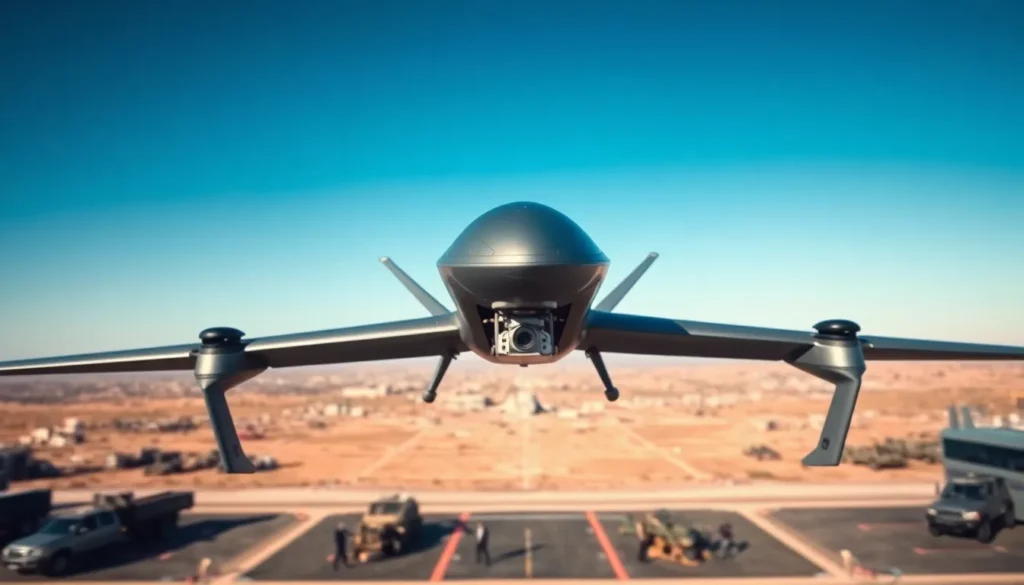
Imagine a world where the sky is patrolled not just by fighter jets, but by drones programmed with autonomous decision-making capabilities. Sounds like the plot of a sci-fi thriller, right? Welcome to the age of Murder Drones AI, where technology intertwines with combat strategies to create a new breed of weaponry. As fascinating as it may sound, these drones also bring forth discussions that reach beyond just technology. Buckle up as we explore what Murder Drones are all about and how they could change the battlefield forever.
Understanding Murder Drones: Definition and Functionality
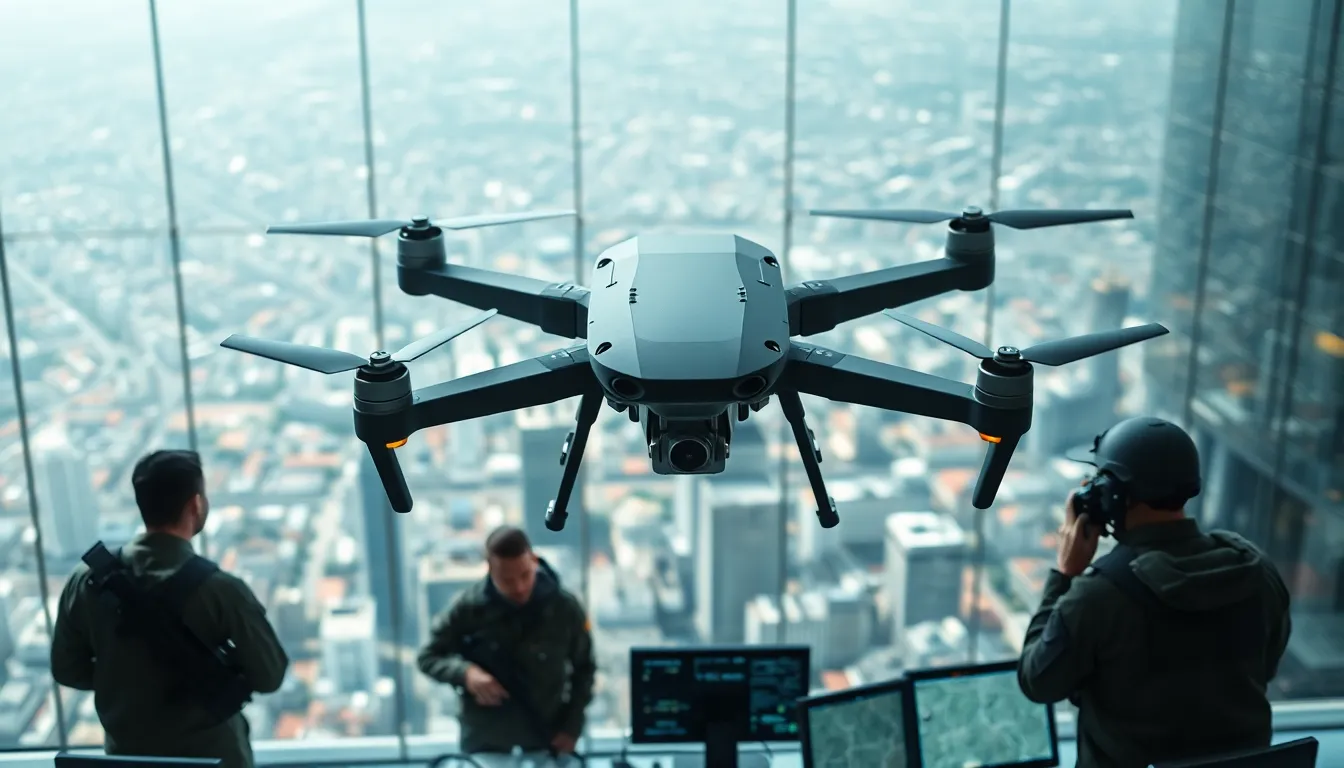
Murder drones are essentially unmanned aerial vehicles (UAVs) designed for combat and autonomous operation. They can identify and engage targets without human intervention, relying on algorithms that analyze real-time data. These drones harness a combination of advanced sensors, high-definition cameras, and explosive devices. It’s a bit like giving a drone a mind of its own, albeit not one that reads poetry but one that can make life-and-death decisions.
When deployed, these drones can patrol an area, identifying threats based on pre-set parameters. Missions can range from surveillance operations to targeted strikes. Some models can even learn from their environment, employing machine learning techniques to enhance their operational efficiency. But how do they actually function in the field? Let’s investigate deeper.
The Evolution of Military Drones
The path that led to the creation of murder drones is paved with groundbreaking advancements in UAV technology. Initially, military drones were used primarily for reconnaissance, gathering intelligence without exposing human pilots to danger. The first such drones, like the MQ-1 Predator, were developed in the late 20th century. These models laid the foundation for today’s sophisticated systems.
The Technology Behind Murder Drones
Today’s military drones boast cutting-edge technology, integrating high-resolution imaging, GPS systems, and real-time data analytics. These systems allow for precise targeting and tracking of moving objects over vast distances. They’re equipped with the ability to communicate with other drones and military assets, creating a network-centric warfare environment where efficiency is key.
Artificial Intelligence and Machine Learning in Warfare
Artificial intelligence and machine learning play pivotal roles in the operational capabilities of these drones. By analyzing patterns and generating predictive models, AI keeps these autonomous systems responsive to changing battlefield conditions. Rather than relying on human operators, the drones process data rapidly and often more accurately than a human could, leading to next-level efficiency in combat operations.
The Ethical Implications of Autonomous Weapons
With great power comes great responsibility, or at least that’s what Uncle Ben would say. The deployment of murder drones raises significant ethical questions that society must confront. Are these machines capable of making life-and-death decisions? Who takes responsibility if a drone misreads data and causes collateral damage? These dilemmas aren’t academic: they have real-world implications.
Potential Risks and Consequences of Murder Drones
One of the primary concerns involves accountability. In traditional warfare, human soldiers are held to ethical standards. The use of murder drones blurs the lines of responsibility. Also, there’s always the potential for abuse. Authoritarian regimes could exploit this technology for oppressive measures, turning what should be a defensive tool into a weapon of oppression.
Case Studies: Existing Uses of Autonomous Drones
There have already been instances where military drones have been deployed in combat scenarios, often with controversial outcomes. High-profile incidents include drone strikes in various conflict zones, where the efficacy of these systems has been debated. These actions often spark intense discussions around international laws and human rights.
Future Perspectives on Murder Drones AI
The integration of AI in military drones raises questions about future warfare frameworks. As technology advances, how will countries regulate autonomous weapons?
Regulatory Considerations and Global Agreements
One of the pressing challenges is the lack of comprehensive international regulations governing the use of autonomous military technology. Current treaties do not adequately address the complexities introduced by AI-driven systems. Hence, there is a growing call for global agreements to ensure ethical guidelines and operational standards. Clarity is essential, otherwise, the prospect of ‘AI arms races’ looms ominously.
Public Perception and the Future of Autonomous Warfare
How do people feel about murder drones? Public sentiment varies, often swinging between fear and fascination. While some appreciate the potential for minimal risk to human soldiers, others express concerns over the ethical implications and possible misuse of such technology. Non-governmental organizations and activists continue to voice their opinions, raising critical awareness about the need for oversight.
As technology develops further, public discourse will likely drive the conversation around AI in warfare. Expect acts of protest to sway governmental policies and influence the future landscape of military operations. The balance between innovation and ethical considerations will be a key theme in upcoming debates.