
Imagine being able to send a package across the country without the hassle of traffic, delays, or hidden fees. Enter long distance drones, these futuristic flying machines are not just for hobbyists but are transforming how industries operate. With advancements in technology, these drones are soaring into a new era of efficiency and convenience. Buckle up as we explore what long distance drones are, their features, applications, and what the future holds.
What Are Long Distance Drones?
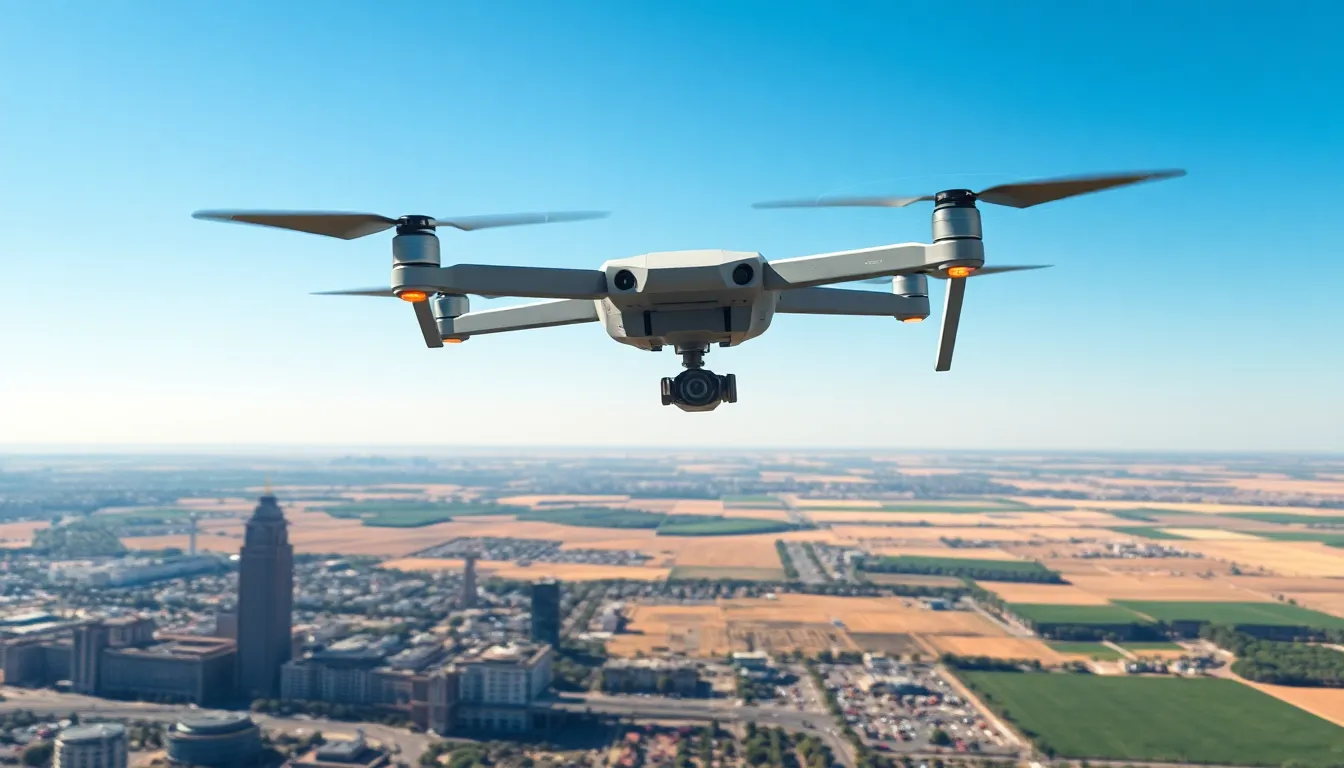
Long distance drones, also known as long-range or high-endurance drones, are unmanned aerial vehicles (UAVs) designed to travel substantial distances while carrying various payloads. Unlike your standard consumer drone that might zip around your backyard, these advanced models are equipped to navigate longer routes, often over 100 miles or more.
Powered by sophisticated navigation systems, these drones can operate autonomously or be remotely controlled. Use GPS and high-tech sensors, they provide real-time data for their operators. The core purpose generally revolves around delivering supplies, conducting surveillance, mapping, or supporting search and rescue operations. What makes them different? Their ability to cover vast areas efficiently while minimizing the need for human presence in challenging locations.
Key Features of Long Distance Drones
A range of key features sets long distance drones apart from their less capable counterparts. Let’s take a closer look:
- Extended Flight Time: These drones often boast flight times of several hours, thanks to large battery capacities or hybrid systems. This allows them to cover significant distances without regular landings.
- Advanced Navigation: Equipped with GPS and sophisticated software, long distance drones navigate complex terrains and flight paths autonomously. Many use obstacle avoidance systems to ensure safe travels.
- Payload Capacity: Long distance drones usually have a robust payload capacity, making them suitable for transporting cargo, medical supplies, or cameras for aerial photography and surveillance.
- Durability and Weather Resistance: Designed for long journeys, these drones often feature materials that withstand various weather conditions, ensuring reliability and performance.
- Data Collection Capabilities: Many long distance drones are outfitted with advanced sensors and cameras, providing data collection for agriculture, environment monitoring, or security purposes.
Applications of Long Distance Drones
Long distance drones serve multiple purposes across various industries. Their versatility opens up numerous doors to innovation. Here are some prominent applications:
Advantages of Using Long Distance Drones
- Supply Delivery: Many organizations use drones to transport medical supplies or relief materials to remote areas. The speed and efficiency significantly reduce the time taken for urgent deliveries.
- Agriculture: Farmers harness long distance drones to monitor crop health, enabling precision agriculture. By surveying land from above, they can identify issues such as pests or irrigation needs much more efficiently than ground-level inspections.
- Surveillance and Security: Law enforcement and security agencies deploy long distance drones for surveillance, aiding in monitoring large areas without the need for helicopters or patrols.
- Search and Rescue: In emergencies, drones can quickly survey disaster areas, helping responders reach those in need by identifying safe paths and finding individuals in distress.
- Infrastructure Inspection: Utility companies are increasingly using drones for inspecting power lines, pipelines, and other infrastructures. This minimizes downtime and enhances safety.
Challenges and Limitations of Long Distance Drones
While long distance drones present revolutionary potential, they also face several challenges. Key limitations include:
- Regulatory Restrictions: Many regions have strict guidelines governing drone flights, especially beyond visual line of sight (BVLOS). Navigating these regulations can limit operational flexibility.
- Technical Hurdles: Long distances often challenge the transmission of data and maintaining control signals. Signal loss can lead to automated returns or crashes.
- Weather Limitations: Inclement weather can hinder performance, including high winds, rain, or snow, which can pose risks to flight safety.
- Public Perception and Privacy Concerns: The proliferation of drones has led to public apprehension about privacy invasions or safety. Addressing these concerns is crucial for wider adoption.
Regulatory Considerations for Long Distance Drones
Navigating the regulatory landscape for long distance drones is as crucial as engineering them. Various authorities, mainly the Federal Aviation Administration (FAA) in the U.S., have established regulations that dictate how and where drones can operate.
To fly long distance drones legally, operators must often:
- Secure necessary certifications and licenses for both the pilot and the drone.
- Ensure compliance with no-fly zones and altitude restrictions.
- Maintain specific safety protocols to protect both the drone and public safety.
New legislation can change frequently, and keeping up-to-date is essential for operators looking to use these drones effectively. The growing dialogue around drone regulations aims to ensure that innovation progresses while maintaining safety.
The Future of Long Distance Drones
As technology advances, the future of long distance drones appears bright. Expect innovations like:
- Improved Battery Technology: Ongoing research into battery optimization is set to significantly increase flight times, enabling drones to cover even greater distances.
- Artificial Intelligence Integration: Automating decision-making processes and improving navigation systems with AI will enhance the safety and efficiency of these flights.
- Expanded Applications: Emerging industries, from sustainable agriculture to urban planning, will likely discover new uses for long distance drones.
- Enhanced Collaboration with Humans: Working together, drones and humans will revolutionize industries. By treating drones as partners rather than tools, they can complement human efforts in various operations.