
In a world where every second counts and data flows like a caffeinated river, edge computing swoops in like a superhero, saving the day one byte at a time. Instead of relying on distant data centers that feel as far away as your last vacation, edge computing brings the processing power closer to the action. Think of it as moving your favorite coffee shop right next to your home office—no more waiting in line for that much-needed boost.
What Is Edge Computing?
Edge computing refers to a decentralized computing paradigm, processing data at or near the location where it is generated. This strategy drastically reduces latency and increases processing speed compared to traditional cloud computing.
Definition and Concept
Edge computing involves placing computational resources closer to data sources such as sensors and IoT devices. By doing this, systems can analyze and act on data in real time. Local processing enables smart decision-making while conserving bandwidth, as only necessary information travels to central data centers. Thus, it streamlines operations in critical scenarios requiring immediate responses.
Importance in Modern Technology
Modern technology relies heavily on edge computing due to its advantages in speed and efficiency. Organizations adopt this approach to enhance performance, especially in areas like autonomous vehicles and real-time analytics. Minimizing delays in data transfer allows businesses to respond swiftly to emerging challenges. Moreover, edge computing supports scalability, accommodating the ever-growing number of connected devices. It also plays a vital role in enhancing security by reducing the risk of data breaches associated with centralized systems.
Key Components of Edge Computing
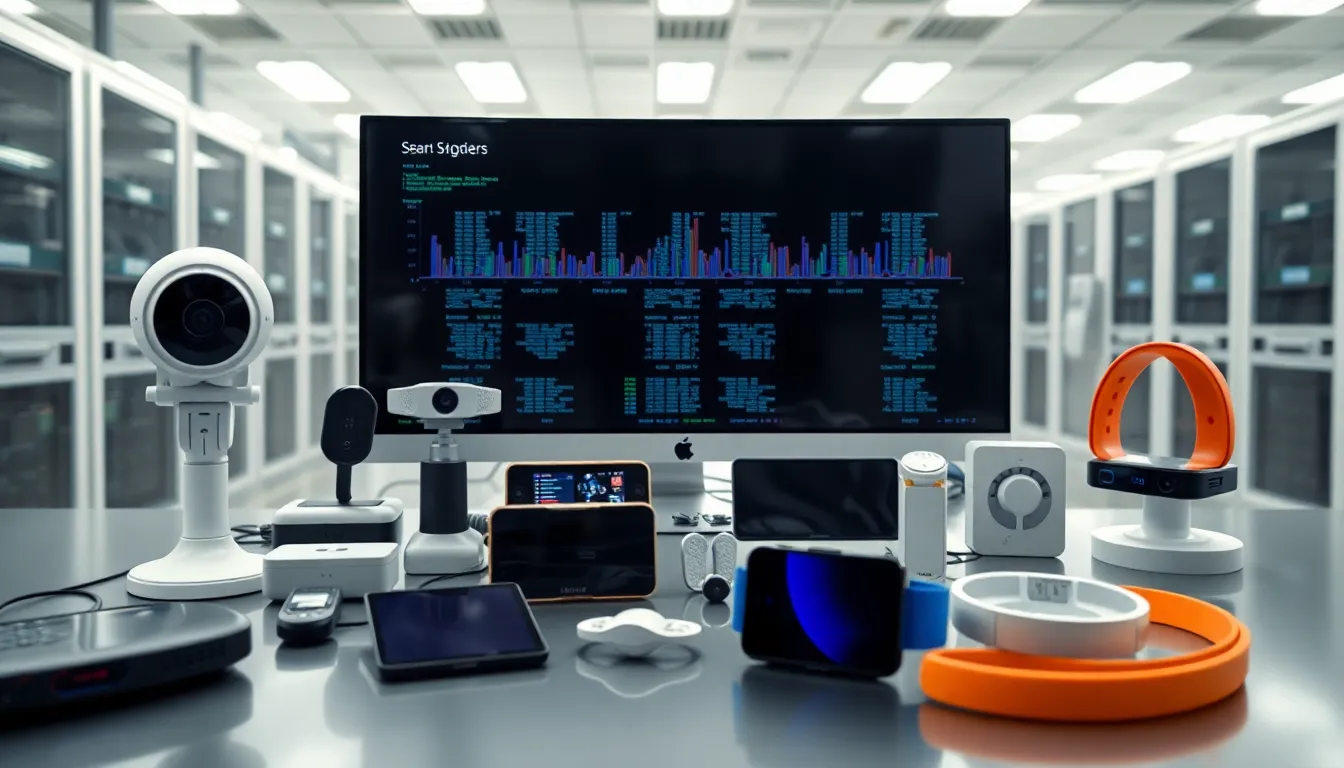
Edge computing relies on various key components that enable efficient data processing closer to the source. Understanding these components is essential for leveraging the full potential of this technology.
Edge Devices
Edge devices play a crucial role in data collection and processing. These devices include sensors, IoT devices, and gateways that gather data from the environment. Many enterprises deploy edge devices to reduce latency in data transmission and improve response times. They support real-time analytics, enabling organizations to make informed decisions swiftly. Equipped with processing capabilities, edge devices minimize the need for data to travel long distances, thus conserving bandwidth and optimizing efficiency. Examples of edge devices include smart cameras, environmental monitoring sensors, and wearable health gadgets.
Edge Data Centers
Edge data centers complement edge devices by providing localized computing power. These facilities process data generated by edge devices without relying on central cloud servers. Placing edge data centers strategically near data sources enhances speed and reduces latency significantly. They handle a substantial amount of data, enabling faster analytics and reducing bottlenecks associated with traditional cloud computing. Many edge data centers support virtualization, allowing multiple applications to run concurrently and efficiently. Some well-known companies like Cisco and AWS have already invested in establishing edge data center solutions to meet the growing demand for speed and reliability in data processing.
Benefits of Edge Computing
Edge computing offers significant advantages by processing data closer to its source. This decentralized approach boosts efficiency, speeds up data handling, and enhances smart decision-making across various industries.
Reduced Latency
Reduced latency stands out as a primary benefit of edge computing. By operating near data generation points, edge devices deliver rapid responses that traditional cloud systems often cannot match. For applications like autonomous vehicles or real-time monitoring, immediate data analysis matters greatly. With reduced transmission times, organizations can react instantly to critical events, improving overall operational effectiveness. Consequently, geographical proximity to data sources minimizes delays, ensuring high-speed connectivity.
Enhanced Security
Enhanced security emerges as a vital feature of edge computing. By limiting data transfer to centralized cloud servers, the risk of data breaches diminishes significantly. Sensitive information gets processed locally, protecting it from potential threats during transfer. This localized handling of data safeguards personal and organizational privacy while complying with regulations. Moreover, implementing robust security measures at edge devices provides an additional layer of defense. As organizations strive for greater protection, edge computing offers a strategic advantage in security management.
Bandwidth Efficiency
Bandwidth efficiency explains another key advantage of edge computing. Processing data locally significantly reduces the volume of information routed to central servers. By decreasing this traffic, organizations optimize their bandwidth usage, leading to cost savings and improved performance. Leveraging edge computing allows for efficient handling of large data streams generated by IoT devices and sensors. This efficiency proves vital for businesses aiming to support the growing number of connected devices without overwhelming their network infrastructure. As a result, organizations can allocate their resources more effectively while maintaining seamless operations.
Use Cases of Edge Computing
Edge computing plays a crucial role in various applications across multiple sectors, enhancing operational efficiency and responsiveness.
IoT Applications
IoT applications benefit significantly from edge computing’s ability to process data locally. Sensors and devices collect vast amounts of data, and edge computing reduces the need for data transmission to remote servers. By analyzing data on-site, organizations achieve real-time insights. Smart homes utilize edge computing to streamline operations, controlling lighting and temperature based on user preferences. Industrial IoT solutions rely on local data processing to monitor machinery and predict failures, ultimately improving safety and minimizing downtime.
Autonomous Vehicles
Autonomous vehicles depend on edge computing for immediate data processing and decision-making. Cameras and sensors generate data at high speeds, necessitating rapid analysis to ensure safety on the road. Utilizing edge computing, these vehicles can process sensor input in real-time, responding to obstacles and traffic conditions more quickly than traditional systems. Enhanced data processing supports navigation and planning, allowing autonomous vehicles to optimize routes efficiently. Safety features, including collision detection and emergency braking, rely on edge computing to function effectively, securing passenger safety.
Smart Cities
Smart cities leverage edge computing to enhance urban infrastructure and improve the quality of life for residents. Traffic management systems utilize edge processing to analyze vehicle flow, reducing congestion and optimizing signal timings. By employing smart waste management solutions, cities can monitor bin levels and schedule pickups more efficiently. Furthermore, public safety initiatives benefit from edge computing by processing data from surveillance cameras and sensors, allowing for quicker responses to incidents. Sustainability efforts, including energy management, also gain from real-time data analysis, enabling responsive adjustments to energy consumption patterns and resource allocation.
Challenges Facing Edge Computing
Edge computing presents several challenges that organizations must navigate to maximize its potential benefits. Two primary concerns include data privacy and management complexity.
Data Privacy Concerns
Data privacy remains a pressing issue in edge computing environments. Sensitive information often gets processed at the edge, increasing the risk of exposure if proper security measures aren’t in place. Unauthorized access to data can have severe repercussions for businesses and consumers alike. Organizations must implement stringent security protocols, including encryption and access controls, to safeguard sensitive information. Failure to address these concerns might result in regulatory penalties or loss of consumer trust.
Management Complexity
Managing an edge computing infrastructure introduces significant complexity. Distributed systems require coordinated efforts between various devices, data centers, and cloud services. Organizations often face difficulties in monitoring and maintaining these diverse components. Additionally, implementing updates and security patches can become cumbersome. Efficiently managing workloads requires robust management tools and strategies to streamline operations. An integrated approach is crucial for minimizing operational disruptions and ensuring that edge devices function cohesively within the IT ecosystem.
Edge computing is reshaping how data is processed and analyzed across various industries. By decentralizing computing resources and placing them close to data sources, organizations can achieve faster response times and improved operational efficiency. This technology not only enhances real-time analytics but also bolsters security by minimizing risks associated with centralized data management.
As businesses continue to adopt edge computing solutions, they must address challenges like data privacy and management complexity. With the right strategies in place, edge computing can unlock significant advantages, driving innovation and supporting the ever-growing network of connected devices. Embracing this transformative approach will be essential for organizations looking to thrive in a data-driven world.