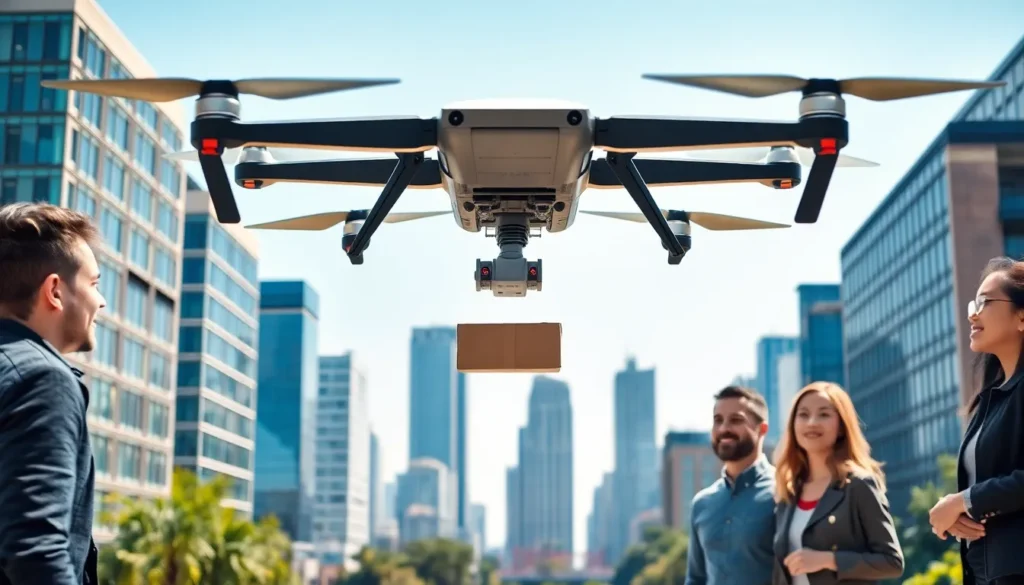
In a world where convenience reigns supreme, drones that can carry things are taking off, literally. Imagine ordering a pizza and having it delivered by a flying robot. Sounds like the plot of a sci-fi movie, right? But this technology is emerging faster than you can say ‘hovering delivery service.’ With a blend of innovation, practicality, and a dash of fun, these marvels of engineering are not only reshaping how we transport goods but also redefining logistics as we know it. So, buckle up as we explore the intriguing realm of payload drones and their transformative potential.
What Are Payload Drones?
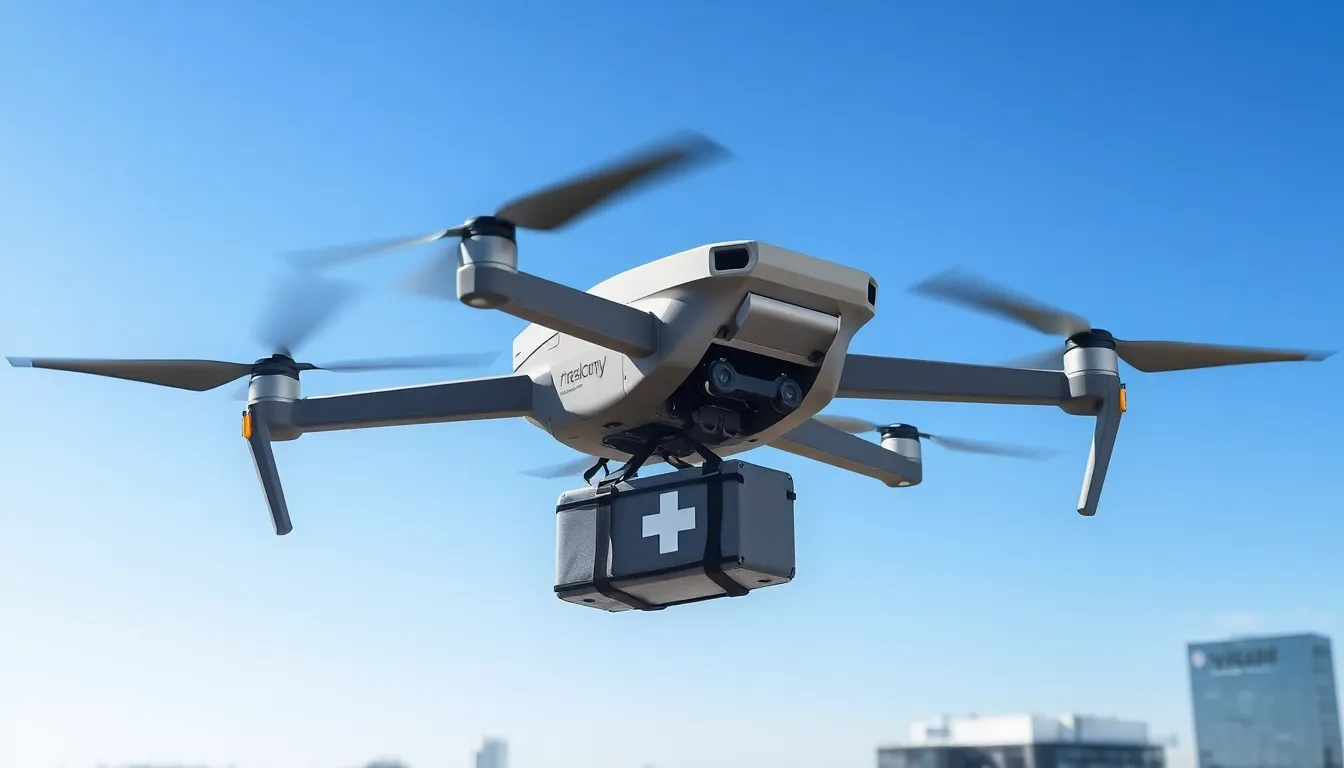
Payload drones, as the name suggests, are drones specifically designed to transport items. Unlike standard drones used for photography or recreational flying, these aerial devices have the capability to carry significant weight, making them incredibly useful in various industries. With advances in technology and materials, they can now accommodate different payloads, be it a medical kit, important documents, or even packages for e-commerce deliveries.
At their core, payload drones are equipped with robust frames and powerful motors to support heavy loads. They use GPS and advanced navigation systems to ensure precision flying and landing. Also, they operate autonomously or can be controlled remotely, allowing for versatility in operation.
Types of Payload Drones
When it comes to types, payload drones are as diverse as the goods they carry. Here are a few notable categories:
1. Multirotors
Multirotors are the most common type found in both commercial and recreational use. With several propellers, they offer excellent stability and maneuverability, making them ideal for carrying smaller items over short distances.
2. Fixed-Wing Drones
Fixed-wing drones resemble conventional airplanes and are designed for longer distances. They can carry heavier payloads and are well-suited for applications like farming and surveying.
3. Hybrid Drones
Combining the best features of multirotors and fixed-wing drones, hybrids can take off and land vertically but also glide like an airplane. This versatility opens doors to new possibilities in payload carrying.
4. Delivery Drones
Purpose-built for logistics, these drones focus on efficiently transporting packages to consumers. Companies like Amazon are already testing these delivery systems, aiming to revolutionize last-mile logistics.
Applications of Carrying Drones
Drones capable of carrying items have an array of practical applications that span various industries:
1. Medical Supplies Delivery
In emergency situations, drone delivery can mean the difference between life and death. Hospitals have begun utilizing drones to transport medical supplies and equipment, ensuring timely delivery to remote locations.
2. E-commerce and Retail
As online shopping surges, so does the demand for rapid delivery solutions. Retailers are exploring drones for swift deliveries, allowing customers to receive their orders within minutes.
3. Agriculture
Farmers are increasingly adopting payload drones for tasks like crop monitoring, pesticide spraying, and even transporting produce from the field to local markets.
4. Disaster Relief
In disaster-stricken areas, drones can deliver essential supplies, including food and water, to locations that are otherwise inaccessible, providing critical support to rescue teams.
Advantages of Using Drones for Cargo Transport
Implementing drones in cargo transport offers numerous advantages:
1. Speed
Drones dramatically reduce delivery times, providing rapid service that traditional transport methods simply can’t match.
2. Cost-Effectiveness
By lowering transportation costs and reducing the need for human labor, drones present a more efficient solution for logistics companies.
3. Environmentally Friendly
Many drones are electric, resulting in lower carbon emissions compared to conventional delivery vehicles.
4. Access to Remote Areas
Drones can reach locations that are difficult or costly to access via traditional delivery methods, further enhancing service availability.
Challenges and Considerations
Even though their potential, the use of carrying drones is not without challenges:
1. Regulatory Hurdles
Navigating the complex web of regulations governing airspace can be tricky. Obtaining permissions for drone flights in certain areas remains a significant barrier.
2. Safety Concerns
Ensuring the safe operation of drones is paramount. There is always a concern about collisions with other aircraft or delivery vehicles, as well as the potential for accidents in populated areas.
3. Technology Limitations
While advancements have been made, payload drones still require substantial battery life and durability to handle heavy loads reliably.
4. Public Acceptance
As with any new technology, public perception can be a hurdle. Education and transparency will be vital in gaining community trust.
Future of Carrying Drones
The future of carrying drones looks promising, with several trends on the horizon:
1. Increased Automation
Automation in drone operation will likely soar, leading to autonomous deliveries becoming commonplace in urban environments.
2. Enhanced Payload Capacity
Developers are continuously working to improve payload capacities, enabling drones to transport larger items or multiple packages simultaneously.
3. Integration with AI
Artificial intelligence will play a crucial role in enhancing navigation and obstacle detection systems, making flights safer and more efficient.
4. Expansion of Drone Infrastructure
As demand grows, investing in supporting infrastructure, such as landing zones and charging stations, will become necessary.