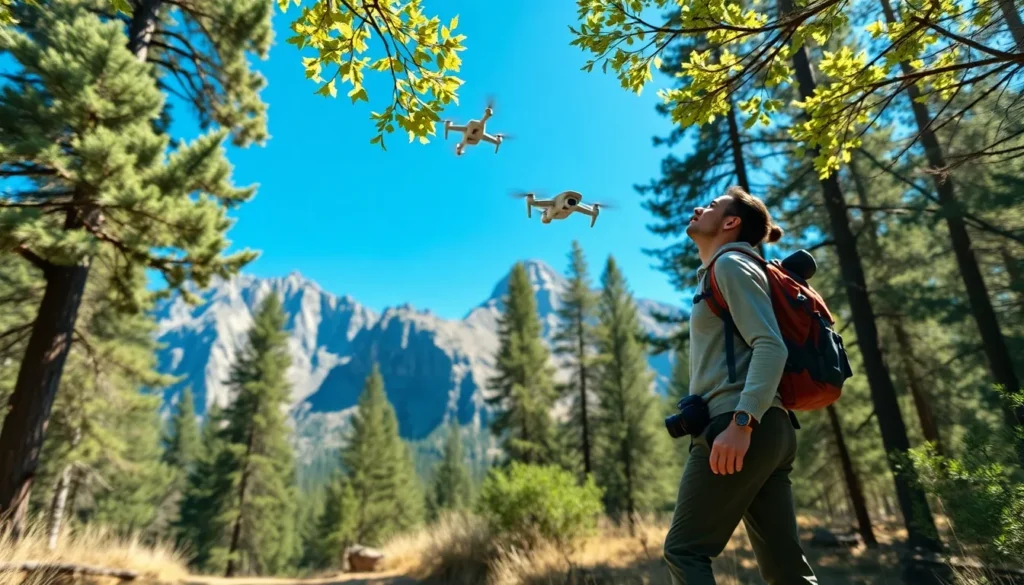
Picture this: You’re out for a hike in a stunning national park, admiring the majestic views, and then, whoosh, that familiar buzzing sound fills the air as a drone zips by, capturing the moment from above. Intrigued but unsure if this is even allowed, you might wonder: Are drones allowed in national parks? Don’t worry, you’re not alone. Many outdoor enthusiasts are eager to combine technology with nature, but it’s essential to know the rules before hitting that launch button. This guide dives deep into the complexities of drone regulations in national parks. Grab your virtual compass as we navigate these skies.
Understanding National Park Regulations
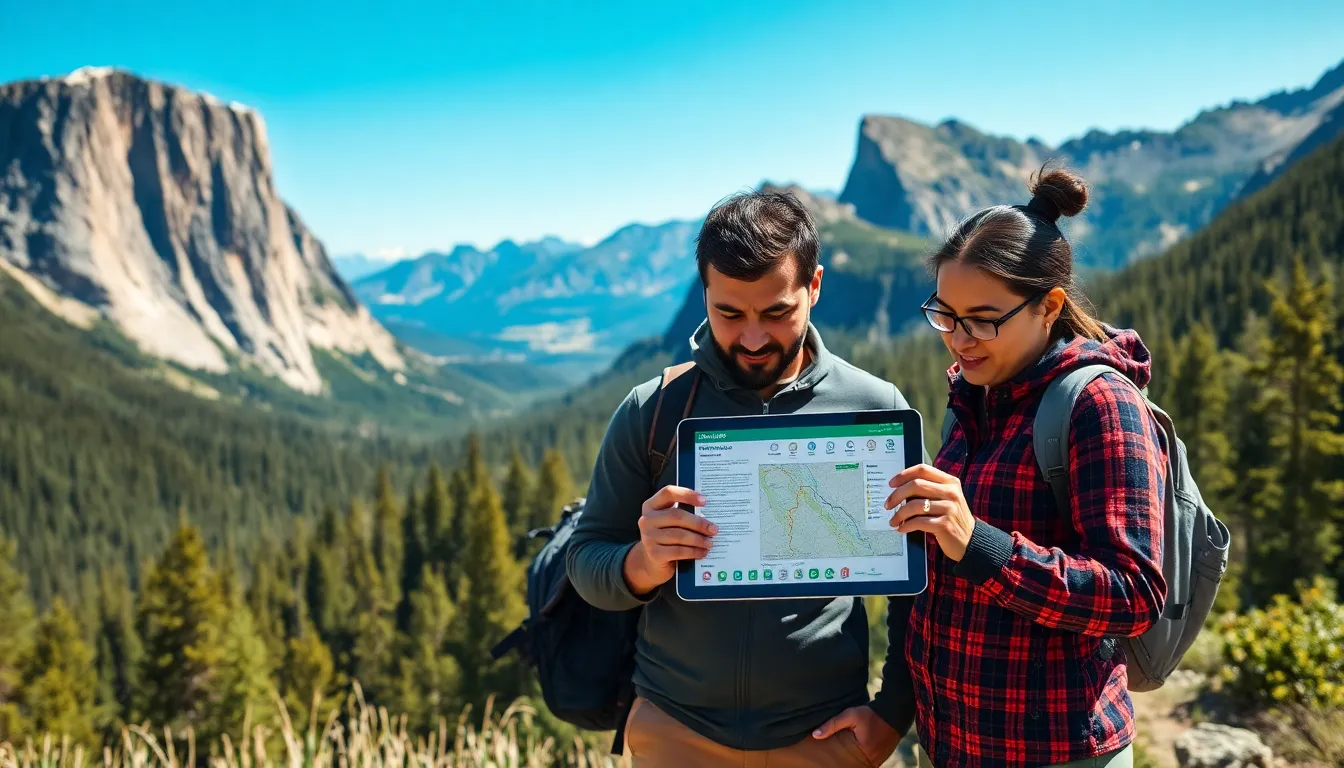
National parks are among the most treasured landscapes in the United States. They are designed to preserve natural beauty and wildlife while providing a space for recreation. This makes it crucial to enforce regulations that protect these pristine environments. Before soaring into the air with your drone, understanding these regulations becomes an essential step.
In general, national parks fall under strict management policies. This means that activities affecting wildlife and the environment are carefully monitored. Whether you’re planning a joyful adventure or a professional photoshoot, knowing what’s allowed and what isn’t can save you headaches. If only someone had an updated list of dos and don’ts in park management.
Federal Regulations Governing Drones
Federal regulations around drones primarily originate from the Federal Aviation Administration (FAA). The FAA oversees the skies, and it has specific guidelines about operating drones for recreational and commercial use. Recreational flyers are generally permitted to use drones as long as they follow certain guidelines, such as keeping the drone within visual line of sight, flying under 400 feet, and avoiding restricted airspace.
When it comes to national parks, these federal regulations align with park policies. Essentially, if the park doesn’t allow drones according to its rules, the federal guidelines take a back seat. So, while one might be tempted to unleash their flying companion, park-specific restrictions prevail.
National Park Service Drone Policy
The National Park Service (NPS) has implemented strict policies about drones. The overarching rule is straightforward: drones are generally prohibited in national parks, at least without special permissions. This policy aims to safeguard wildlife disturbance and preserve the wilderness experience for visitors.
Permitted Activities With Drones
But, it’s not all doom and gloom for drone enthusiasts. In specific circumstances, certain activities with drones are permitted. For instance, filmmakers or researchers may obtain a special use permit to deploy a drone for their respective projects. These permits are usually reserved for activities that benefit park management or research efforts, maintaining a balance between technological uses and environmental preservation.
Exceptions and Special Use Permits
It’s crucial to engage with local park officials if you think your drone activities could provide more than just awesome aerial shots. Applying for a special use permit can open up opportunities to use drones legally and responsibly in national parks. Remember, patience pays off, if the use aligns with park objectives, you might just get that coveted permission.
Consequences of Flying Drones Illegally
Disregarding drone regulations in national parks isn’t just an oversight: it can come with serious repercussions. Violating these rules can lead to hefty fines or even legal action. For the adventurous spirit who uncovers a breathtaking vista but operates their drone illegally, a fine can quickly ruin the day.
Also, illegal drone flights may damage park ecosystems or disturb wildlife, disrupting the natural serenity of these spaces. Park rangers diligently monitor for such violations, and the consequences only reflect how seriously they take park preservation. Always think twice, feeling the thrill of flying high is not worth the risk of severe penalties.
Alternatives to Drones In National Parks
If drones are put away, what can one do to capture the beauty of national parks? Fear not: nature still provides many alternatives. Consider using a good old-fashioned camera coupled with stunning landscape viewpoints. The traditional hike can be enriched with photography skills that capture mesmerizing moments without the complications of drone regulations.
You could engage with a park ranger-led program to better understand the surroundings. Alternatively, check out local photography workshops that focus on utilizing the natural light and landscapes. Creativity can flourish in myriad ways: sometimes, less is more.