In a world where everyone seems to be buzzing around with quadcopters, fixed-wing drones are the unsung heroes of the skies. These aerodynamic wonders glide through the air like a bird on a mission, offering impressive flight times and expansive coverage that their multi-rotor cousins can only dream of. If you think these sleek machines are just for military operations or high-budget filmmakers, think again!
From agriculture to surveying and even search and rescue, fixed-wing drones are proving they can do it all—without the need for a pilot’s license or a cape. So buckle up as we dive into the fascinating world of fixed-wing drones, where efficiency meets innovation, and discover why these flying marvels might just be the future of aerial technology.
Overview of Fixed-Wing Drones
Fixed-wing drones excel in various applications due to their efficiency and extended range. These aircraft offer solutions across sectors like agriculture, surveying, and search and rescue.
Definition and Characteristics
Fixed-wing drones are aircraft with wings that generate lift during forward motion. They operate similar to traditional airplanes, using engines for propulsion. Characteristics include longer flight durations, typically exceeding one hour, and higher cruising speeds around 50 to 120 mph. Many fixed-wing models feature greater payload capacities, enabling them to carry more equipment and sensors. Their design allows for stable flight, making them suitable for missions requiring extensive mapping and data collection.
Types of Fixed-Wing Drones
Numerous types of fixed-wing drones exist, catering to different needs. Turbine drones utilize jet engines, providing high speeds but often at higher costs. Electric fixed-wing drones offer quieter operations and ease of use, making them popular for recreational and commercial applications. Hybrid models combine electric motors with traditional engines, maximizing efficiency in flight time and versatility. Special operations drones specialize in unique tasks, such as environmental monitoring or infrastructure inspection, showcasing the adaptability of fixed-wing technology.
Applications of Fixed-Wing Drones
Fixed-wing drones serve a variety of practical applications across multiple industries. Their design allows for efficient operations, making them advantageous for tasks requiring extensive coverage.
Agricultural Use
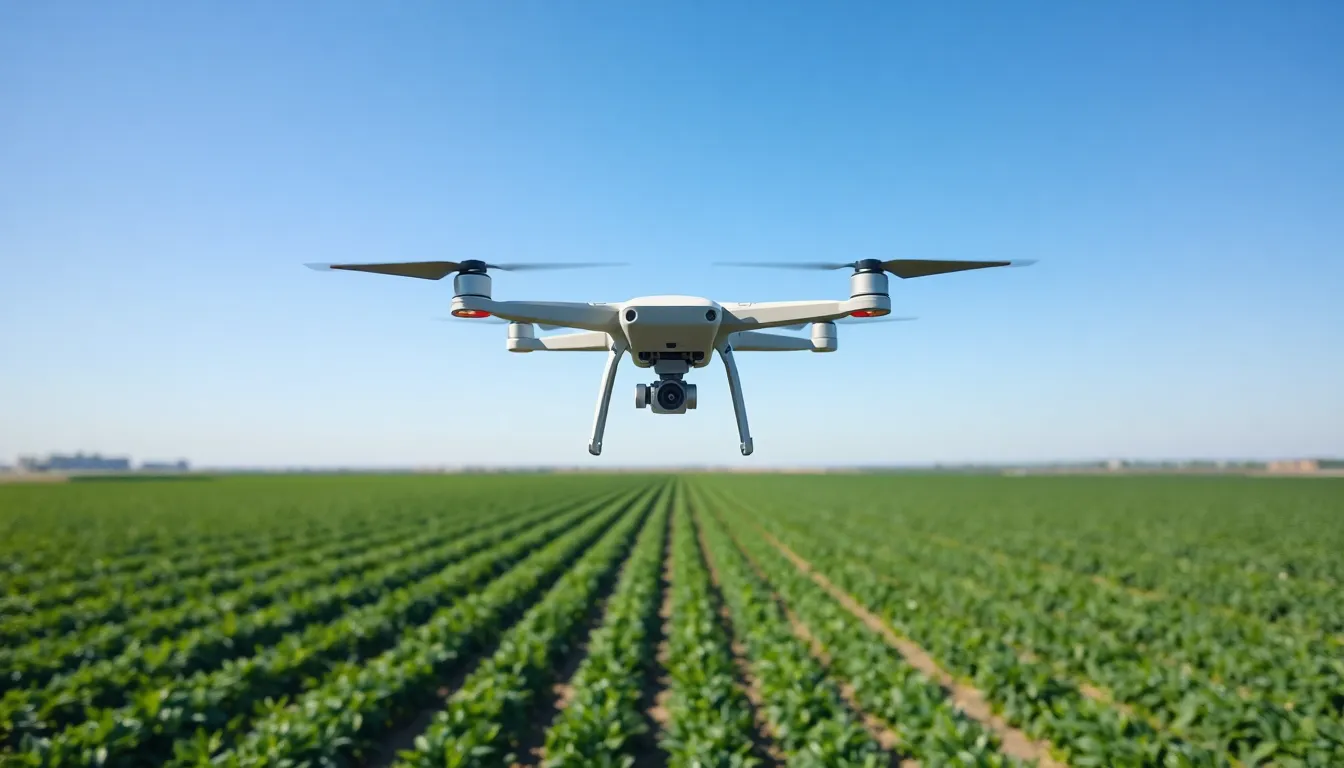
In agriculture, fixed-wing drones enhance precision farming. They facilitate aerial surveys of crops, enabling farmers to monitor health and growth patterns. Crop mapping and analysis lead to better yield predictions and resource management. The ability to cover large fields in a short time maximizes efficiency. These drones also support variable rate applications, optimizing inputs like fertilizers and pesticides, thus reducing waste and costs.
Surveillance and Reconnaissance
Surveillance and reconnaissance missions benefit from the extended range of fixed-wing drones. These craft cover vast areas rapidly, collecting high-resolution imagery and real-time data. They assist law enforcement in monitoring large events or areas that require constant oversight. Environmental agencies utilize drones to assess wildlife habitats and track changes in ecosystems. The ability to operate at altitude increases safety while gathering critical information. Reliable communication systems ensure data transmission remains uninterrupted during missions.
Advantages of Fixed-Wing Drones
Fixed-wing drones offer many advantages, particularly in flight time and coverage area. These benefits set them apart from other drone types.
Longer Flight Times
Long flight times present a key advantage for fixed-wing drones. Many models achieve durations exceeding one hour, allowing extensive missions without needing frequent recharges. Battery efficiency significantly contributes to this capability, as fixed-wing designs utilize lift generated during forward motion. Operators gain the ability to complete larger tasks without interruption. This efficiency proves advantageous for applications like aerial surveys and agricultural monitoring. Fields can be covered without the need for multiple flights, enhancing overall productivity.
Greater Coverage Area
Greater coverage area enhances the utility of fixed-wing drones. These drones can traverse wide expanses at higher cruising speeds, achieving velocities between 50 and 120 mph. This ability allows for rapid data collection across vast landscapes, making them ideal for purposes like surveillance and environmental assessments. Operators can gather extensive imagery and information in a single flight. In agriculture, this leads to effective monitoring of crop health across large farms, optimizing resource management and reducing operational costs. The potential to cover these areas efficiently makes fixed-wing drones invaluable in various sectors.
Challenges and Limitations
Fixed-wing drones face various challenges that impact their widespread use. Regulatory frameworks often lag behind technological advancements, creating obstacles for operators.
Regulatory Hurdles
Regulations surrounding drone flights create significant barriers for fixed-wing drone operations. Many countries impose strict airspace regulations, requiring permits or licenses for commercial use. Restrictions on flight altitudes and no-fly zones limit operational flexibility. Every fixed-wing drone must comply with local laws, which can vary considerably from one region to another. Such differences complicate cross-border operations and hinder international collaborations. Current aerial regulations might stifle innovation and slow down adoption in various industries, leaving operators with limited opportunities for growth.
Technical Constraints
Technical limitations also affect fixed-wing drone performance. Battery life remains a critical challenge, as it restricts flight durations and operational range. While many models achieve over one hour of flight, longer missions often require additional fueling or battery swaps. Environmental conditions, such as high winds or heavy rain, can impair flight stability and sensor accuracy. Payload capacity is another constraint; not all fixed-wing drones can carry larger, specialized equipment. These technical aspects necessitate continuous improvements to enhance reliability and expand functionality, which ultimately affects deployment in demanding environments.
Fixed-wing drones represent a significant advancement in aerial technology with their impressive flight capabilities and diverse applications. Their efficiency and ability to cover large areas make them invaluable across various industries. While challenges like regulatory hurdles and technical limitations exist, the potential for innovation remains vast. As technology evolves and regulations adapt, fixed-wing drones are poised to play an even more critical role in shaping the future of aerial surveillance, agriculture, and beyond. Embracing this technology could lead to enhanced productivity and new opportunities for businesses and organizations alike.