
In a world where drones zip through the skies like oversized mosquitoes, becoming a certified drone operator is your ticket to joining the aerial elite. Sure, anyone can fly a drone—just ask the neighbor’s cat who recently took a joyride. But to truly stand out and avoid a mid-air mishap, a certification is essential.
Overview of Drone Operator Certification
Drone operator certification provides individuals with essential skills and knowledge for safe operation. Certification processes vary by location, but most involve passing a written exam to demonstrate understanding of regulations, airspace, and safety procedures. Each test generally covers key topics such as weather conditions, flight planning, and emergency protocols.
To maintain safety, many countries require drone operators to obtain specific licenses. In the United States, the Federal Aviation Administration (FAA) mandates the Part 107 certification for commercial drone operations. Completing the FAA’s aeronautical knowledge exam enables pilots to operate drones legally for commercial purposes.
Beyond legal requirements, certification enhances professionalism. Certified drone operators often gain access to higher-paying opportunities in industries like real estate, agriculture, and construction. Employment prospects improve with a recognized certification, making it easier to attract clients who value safety and expertise.
Training programs typically provide valuable resources. Many organizations offer online courses that prepare candidates for certification tests. This training often includes practical flight exercises, reinforcing theoretical knowledge with hands-on experience.
Investing in certification fosters trust within the community. Clients generally prefer working with certified operators who adhere to industry standards, minimizing risks associated with drone usage. Operators demonstrating commitment to safety through certification cultivate long-term relationships and enhance their reputations.
As the drone industry continues to expand, certification remains vital for aspiring operators. Compliance with regulations not only ensures safety but positions operators favorably in a competitive market.
Importance of Drone Operator Certification
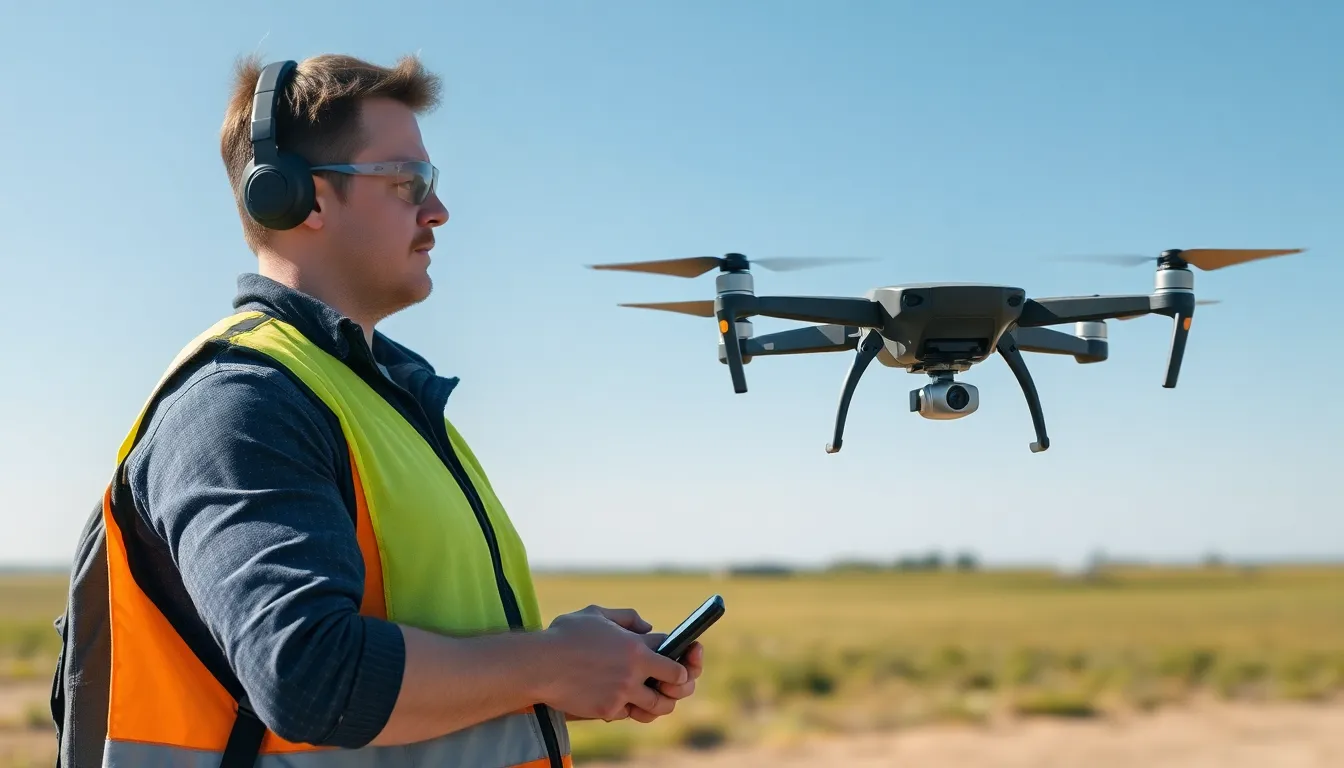
Certification ensures safe and responsible drone operation. Aspiring drone operators must understand the critical aspects of certification.
Legal Requirements
Various regions impose distinct legal requirements for drone operation. In the United States, the FAA mandates the Part 107 certification for commercial drone use. This certification involves passing a comprehensive written exam focused on regulations, airspace classifications, and safety procedures. Many countries require local certifications, enhancing compliance with specific aviation laws. Staying informed about these legalities prevents costly fines and legal issues. Operators must also renew certifications periodically, keeping current with evolving regulations. Following legal standards fosters professional credibility and promotes industry-wide safety.
Safety Considerations
Safety remains a primary concern for drone operators. A certified operator gains essential skills to ensure safe flights and avoid potential accidents. Understanding airspace restrictions and weather conditions greatly reduces risks during operations. Training programs provide knowledge on emergency protocols and equipment maintenance. Operators who prioritize safety help minimize risks for themselves, their equipment, and the public. Emphasizing safety ensures long-term success in the drone industry. Clients increasingly seek operators committed to safety, enhancing their chances for repeat business and referrals.
Certification Process
The certification process for drone operators consists of distinct steps.
Application Steps
First, individuals interested in becoming certified must complete an application form as outlined by the regulatory body. After submission, candidates typically receive a confirmation regarding their eligibility to take the certification exam. Scheduling the exam date follows. They pay the applicable fee, which usually varies by location. Exam locations may differ, often occurring at designated testing centers. Upon passing the written exam, operators obtain their certification, allowing them to legally conduct commercial drone operations.
Required Training
Training for drone certification encompasses various educational components. Candidates often participate in online courses focused on relevant regulations, airspace classifications, and safety protocols. Many also engage in hands-on flight exercises to build necessary skills for safe operation. Comprehensive training prepares operators for real-world scenarios they might encounter during flights. Instructors frequently emphasize the importance of equipment maintenance and emergency handling. This preparation enhances the operator’s confidence and capability in managing both routine and unforeseen situations effectively.
Types of Drone Operator Certifications
Different types of drone operator certifications exist depending on the intended use of the drone. Understanding these certifications helps ensure compliance with regulations and enhances operational capabilities across various sectors.
Recreational vs. Commercial
Recreational certifications allow operators to fly drones for personal enjoyment, complying with basic guidelines. These operators must adhere to limitations set forth by the Federal Aviation Administration (FAA), such as flying below 400 feet and staying within visual line of sight. Commercial certifications, like the FAA’s Part 107, enable operators to conduct business-related drone activities. Operators pursuing commercial certification must pass a written exam that covers airspace regulations and safety procedures. Complying with these regulations opens avenues for higher-paying opportunities in industries like real estate, agriculture, and filmmaking.
Advanced Certifications
Advanced certifications cater to those seeking to enhance their skills and expand their operational scope. Various organizations offer specialized certifications for areas such as drone mapping, inspections, and aerial photography. Each advanced certification includes focused training, often featuring practical exercises that build on foundational knowledge. These certifications can differentiate operators in a competitive job market, demonstrating expertise in niche applications. Completing advanced certifications not only elevates safety protocols but also builds trust with clients seeking proficient operators for complex tasks.
Becoming a certified drone operator is more than just a legal requirement; it’s a commitment to safety and professionalism. Certification not only enhances skills but also builds trust with clients who prioritize quality and adherence to industry standards. As the drone landscape evolves, those with the right credentials will find themselves at a competitive advantage. Investing in certification opens doors to diverse opportunities and ensures operators are well-prepared for the challenges of the industry. Embracing this path is essential for anyone serious about a successful career in drone operations.