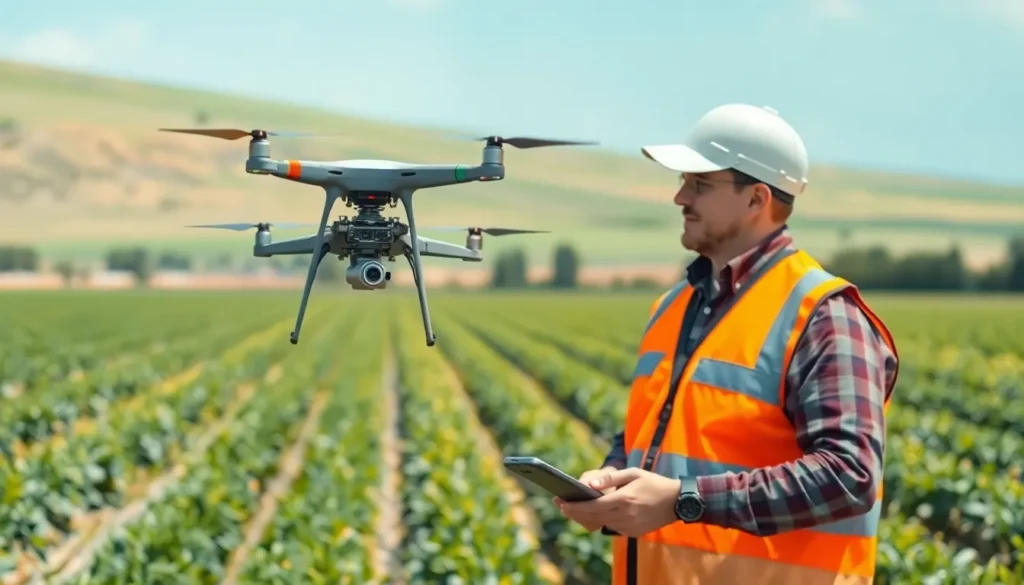
Drones are no longer just for capturing stunning aerial selfies or delivering snacks to your doorstep. As technology soars to new heights, emerging drone tech is reshaping industries and redefining what’s possible. Imagine a world where drones zip through the skies, tackling everything from disaster relief to precision agriculture. It’s not just a sci-fi fantasy; it’s happening right now.
Overview of Emerging Drone Tech
Emerging drone technology is reshaping multiple sectors through innovative applications. Companies leverage enhanced aerial capabilities to improve efficiency and accuracy in their operations. For example, drones equipped with advanced sensors assist in precision agriculture by monitoring crop health and managing resources effectively.
Additionally, developments like autonomous navigation systems increase the reliability of drone missions. These systems allow drones to operate in complex environments, including urban areas and disaster-stricken regions. Industries such as logistics utilize drones for quick deliveries, reducing transportation costs while increasing speed.
Another significant advancement is the integration of artificial intelligence with drone technology. AI-driven drones analyze vast data streams in real-time, enabling smarter decision-making. This capability supports applications in surveillance, environmental monitoring, and infrastructure inspection.
Moreover, regulatory changes play a crucial role in the adoption of drones across sectors. Governments worldwide are updating policies to accommodate commercial drone use, fostering innovation. As regulations evolve, businesses can explore new opportunities for drone deployments.
In healthcare, drones offer novel solutions for medical supply deliveries. The potential of drones to transport blood, vaccines, and medical equipment to remote areas can save lives. Several pilot programs have already demonstrated the effectiveness of drone delivery in urgent situations.
Emerging drone technology reflects a shift towards automation and intelligent systems across industries. Continuous advancements promise to enhance capabilities, making drones an integral part of future operations. The adaptability and efficiency of drones drive technological progress, paving the way for more comprehensive implementation in various fields.
Applications of Emerging Drone Tech
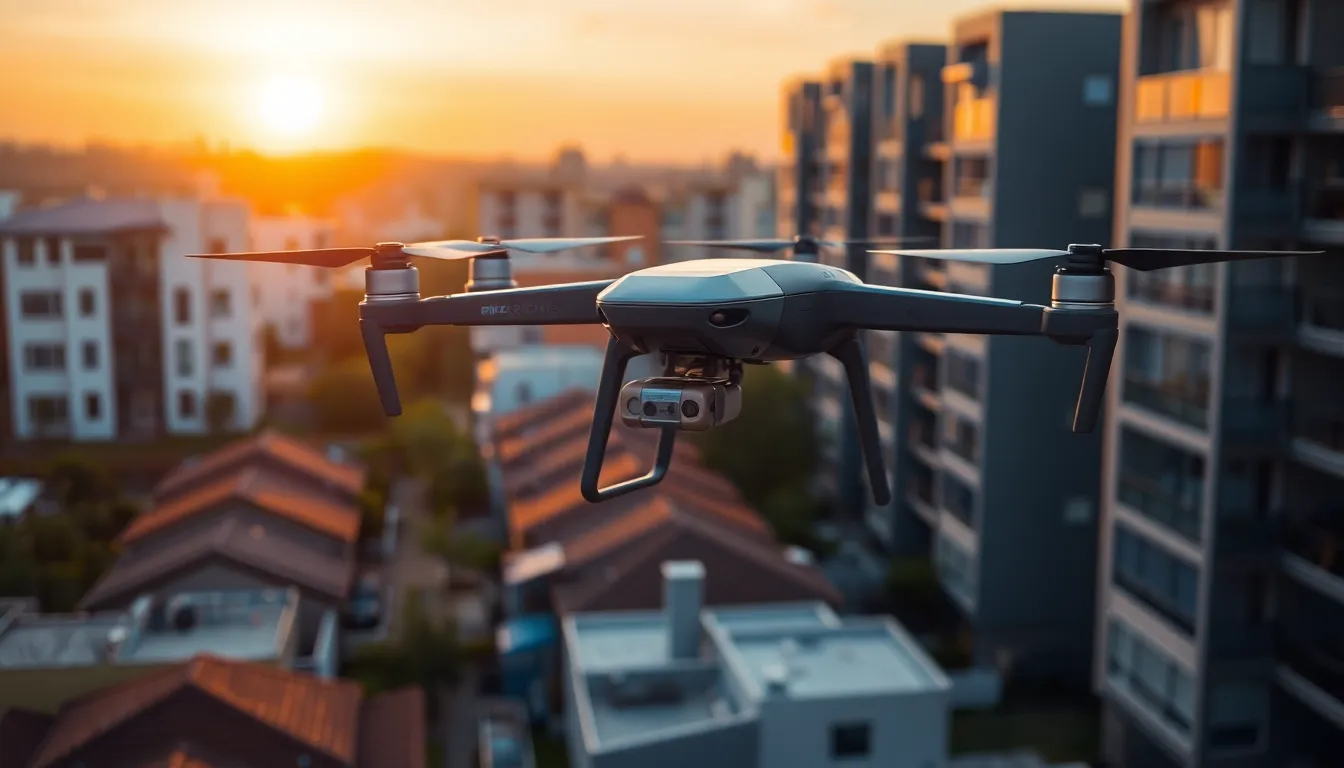
Emerging drone technology integrates seamlessly into various sectors, enhancing operational efficiency and decision-making capabilities.
Commercial Uses
Retail and logistics companies leverage drones for faster deliveries. Drones reduce turnaround times by transporting goods directly to consumers’ doorsteps. Companies like Amazon test drone delivery systems, aiming for significant cost savings. In agriculture, drones monitor crops and analyze soil health, which boosts yield accuracy. Many farms deploy drones equipped with imaging technology, promoting resource management. Additionally, real estate firms use drones to capture aerial footage of properties, showcasing listings in innovative ways. The versatility of commercial applications exemplifies how emerging drone tech reshapes business practices.
Military and Defense
Innovations in drone technology impact military operations significantly. Surveillance drones relay real-time intelligence, enhancing situational awareness. Armed forces utilize drones for reconnaissance, targeting enemy positions while minimizing personnel risk. Drones can conduct precision strikes, offering efficient solutions in combat scenarios. Many militaries embrace drone swarms, where multiple drones collaborate autonomously, significantly increasing operational effectiveness. Additionally, logistics operations benefit from drones transporting supplies to remote bases, ensuring crucial resources are available when needed. Implementing these advanced systems illustrates how emerging drone tech strengthens defense capabilities.
Innovations in Drone Technology
Emerging drone technology features remarkable advancements, enhancing capabilities across various sectors.
Autonomous Navigation
Autonomous navigation systems significantly improve drone efficiency. Drones equipped with such technology effectively navigate complex environments, including urban areas and disaster sites. GPS and advanced sensors work together to facilitate real-time obstacle detection and path planning. As a result, drones can execute missions with minimal human intervention. This autonomy enables applications like search and rescue operations, where timely response is critical for saving lives. Research shows that these systems reduce the likelihood of accidents and increase task success rates.
Enhanced Imaging Capabilities
Enhanced imaging capabilities transform drone utility in multiple industries. Drones now incorporate high-resolution cameras and specialized imaging sensors, allowing for detailed aerial photography and mapping. Real-time analytics provide actionable insights for sectors such as agriculture and construction, enabling data-driven decision-making. Thermal imaging and multispectral sensors offer farmers precise information about crop conditions and health. Such advancements facilitate faster identification of issues like disease or pest infestations. Additionally, the use of imaging technologies in surveillance leads to improved monitoring and security measures, underscoring drones’ critical role in safety and operations.
Regulations and Challenges
Emerging drone technology encounters various challenges, particularly in the realm of regulations and societal concerns. Safety and privacy stand out as critical issues that stakeholders must address.
Safety Concerns
Safety courts significant attention, especially with drones operating in crowded urban settings. The risk of accidents poses threats not only to drone operators but also to bystanders and property. Ensuring all drones can efficiently avoid collisions involves advanced sensors and robust software. For instance, the Federal Aviation Administration (FAA) emphasizes the importance of fail-safe systems to prevent malfunctions. Incorporating remote identification requirements helps track drone activity, contributing to overall safety. Furthermore, operators must undergo training to ensure safe operational practices are followed. Compliance with safety standards ultimately protects lives and property, fostering public trust in drone technology.
Privacy Issues
Privacy issues arise as drones capture and transmit visual data from above. Surveillance capabilities raise concerns about unauthorized monitoring of individuals and personal spaces. Regulatory bodies aim to establish guidelines to balance innovation with citizens’ rights. For example, certain regions implement laws restricting drone usage in private areas, emphasizing consent before capturing images. Public debates continue regarding the ethical implications of drone surveillance. Additionally, individual and community pushback highlights the need for transparency in drone operations. Addressing these privacy challenges ensures responsible use of drone technology while allowing for its beneficial applications.
Future Trends in Emerging Drone Tech
Future developments in drone technology focus on autonomous operations. Technologies such as LiDAR and advanced imaging sensors provide enhanced data collection capabilities. For instance, agricultural drones utilize these sensors to analyze crop conditions, offering insights that drive efficiency.
Industries are also embracing drone swarm technology, where multiple drones operate collaboratively. This approach is particularly valuable for large-scale operations, like power line inspections, as it boosts coverage and reduces time. Additionally, integrating artificial intelligence improves data processing speed, enabling precise decision-making.
Healthcare applications continue to expand, with drones transporting critical supplies in real-time. Urban areas benefit from this innovation, as drones facilitate faster medical deliveries to remote locations. Pilot programs have shown success in delivering vaccines and medical equipment, demonstrating reliability.
Environmental monitoring has gained traction, with drones aiding in data collection for climate studies. Capturing aerial data helps scientists analyze ecosystems and track environmental changes effectively. Compliance with changing regulations remains important, ensuring safe integration into national airspace.
Transportation and logistics industries are evolving with drone technology. Companies are actively testing automation in last-mile delivery solutions, significantly cutting costs and improving speed. Regulatory frameworks are adjusting to support these advancements, creating opportunities for commercial use.
Military applications also evolve, with increased focus on surveillance and reconnaissance capabilities. Drones equipped with high-definition cameras provide critical intelligence to military operations. This technological evolution enhances strategic decision-making in complex environments.
Addressing privacy concerns becomes increasingly vital as drone presence grows. Balancing innovation with community rights necessitates collaboration among stakeholders to establish comprehensive regulations. Continued dialogue encourages responsible drone use while maximizing its benefits across various sectors.
Emerging drone technology is set to revolutionize industries by offering innovative solutions that enhance efficiency and effectiveness. As drones become integral to sectors like healthcare logistics and agriculture, their potential continues to expand. The shift towards autonomous operations and AI integration promises smarter decision-making and improved outcomes.
However, navigating the challenges of safety and privacy is crucial for fostering public trust. Continuous collaboration among stakeholders will be essential for developing regulations that support innovation while respecting community rights. As advancements unfold, it’s clear that drones will play a pivotal role in shaping the future landscape of various industries.